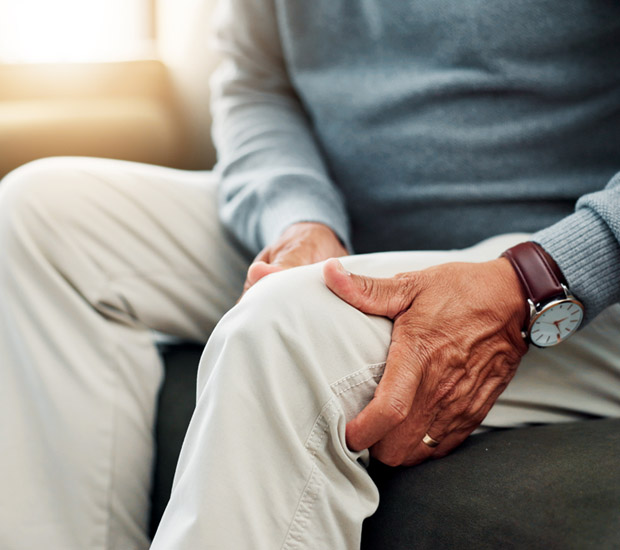
Peripheral Arterial DiseaseDowney, CA
Peripheral arterial disease is a circulatory condition that develops when the arteries carrying blood to the legs or arms become narrowed or blocked. As these vessels tighten, the muscles and skin in the limbs receive less oxygen-rich blood, which can lead to pain, weakness, numbness, and slow-healing wounds. This condition often develops gradually, but early diagnosis and treatment can make a major difference in protecting comfort, mobility, and overall limb health.
Fortunately, ProVascularMD provides advanced, image-guided, and minimally invasive care for patients who need answers and timely treatment for circulation problems. Our team works to identify the source of the blockage, explain every available option, and create a plan that supports lasting relief with as little disruption as possible. If you live in or around the Downey area, contact us at (310) 341-4867 to schedule an appointment.
What Causes Peripheral Arterial Disease?
Peripheral arterial disease most often occurs because of atherosclerosis, which is the buildup of fatty plaque inside the arteries. Over time, this plaque hardens and narrows the passageway through which blood must travel. As circulation becomes more restricted, the tissues in the legs and feet do not receive the steady supply of oxygen and nutrients they need to function and repair themselves.
Several health and lifestyle factors can increase the likelihood of developing this condition. Smoking is one of the strongest contributors because it damages the blood vessels and accelerates plaque formation. Diabetes, high blood pressure, high cholesterol, and a family history of vascular disease can also place a person at greater risk of reduced circulation in the limbs.
Age and overall vascular health also play a role in the development of peripheral arterial disease. Although symptoms may begin subtly, even mild blockages can worsen over time if the underlying causes go untreated. Recognizing the risk factors early creates an opportunity to pursue treatment before more serious complications begin to affect daily life.
“Peripheral arterial disease most often occurs because of atherosclerosis, which is the buildup of fatty plaque inside the arteries.”
The Role of a Vascular and Interventional Radiologist in Treating Peripheral Arterial Disease
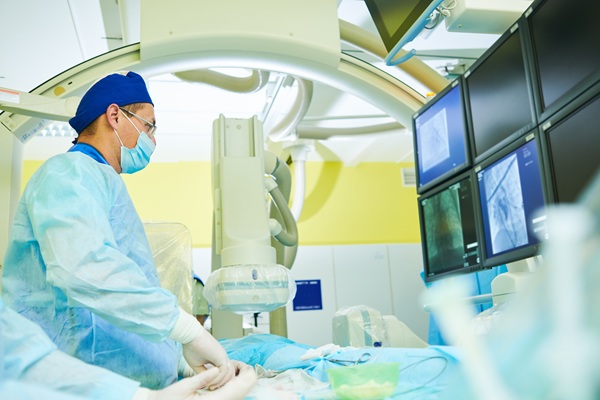
A vascular and interventional radiologist is a specialist who uses advanced imaging guidance to diagnose and treat circulation problems from inside the blood vessels. Rather than relying on large surgical incisions, these specialists perform many procedures through a tiny puncture in the skin. This allows them to reach narrowed or blocked arteries with remarkable precision while minimizing trauma to the surrounding tissues.
By using live imaging, a vascular and interventional radiologist can identify exactly where blood flow is being restricted and restore circulation with targeted treatment. This may involve opening a narrowed artery, removing plaque, or placing a device that helps keep the vessel open. For patients with peripheral arterial disease, this minimally invasive approach often provides effective relief with a shorter recovery period than traditional surgery.
“A vascular and interventional radiologist is a specialist who uses advanced imaging guidance to diagnose and treat circulation problems from inside the blood vessels.”
What to Expect During a Consultation
The first consultation focuses on understanding how circulation problems are affecting a patient’s comfort, function, and quality of life. We may ask whether there is leg pain during walking, if the feet feel unusually cold, or whether any sores have been slow to heal. These details help us determine the extent of blood flow restriction and if additional evaluation is necessary.
A physical examination is also an important part of the visit. We assess skin color, temperature, pulse strength, and any visible changes in the feet or legs that may indicate reduced circulation. If needed, we may conduct noninvasive testing to compare blood pressure in the arms and ankles or to create images of blood moving through the vessels.
This consultation provides an opportunity to identify the location and severity of the disease while discussing the most appropriate treatment options. Patients can ask questions about symptoms, testing, recovery, and the likely next steps in their care plan. The goal is to provide clear information so that every patient feels prepared to move forward with confidence.
“The first consultation focuses on understanding how circulation problems are affecting a patient’s comfort, function, and quality of life.”
What is Peripheral Arterial Disease Treatment?
Peripheral arterial disease treatment focuses on restoring healthy blood flow to the limbs and reducing the symptoms caused by narrowed arteries. The appropriate treatment plan depends on the severity of the blockage, the location of the disease, the presence of wounds, pain at rest, or mobility limitations. In many cases, minimally invasive procedures can improve circulation without the need for open vascular surgery.
One common option is balloon angioplasty, which uses a small balloon to widen a narrowed artery and improve blood flow. In some situations, we may also place a stent to help keep the artery open over time. Another option is atherectomy, which removes or reduces plaque buildup inside the vessel, allowing blood to flow more freely through the limb.
Treatment plans may also include medical management and lifestyle recommendations to protect the arteries in the future. Addressing risk factors such as diabetes, smoking, and cholesterol is an important part of preventing the disease from progressing. When combined with minimally invasive vascular care, these strategies can help preserve mobility and improve long-term vascular health.
“Peripheral arterial disease treatment focuses on restoring healthy blood flow to the limbs and reducing the symptoms caused by narrowed arteries.”
Benefits of Treating Peripheral Arterial Disease
One of the greatest benefits of treatment is the ability to improve blood flow before the condition leads to more serious complications. Improved circulation can reduce pain with walking, improve comfort at rest, and support healing of the skin and soft tissues. For patients with wounds or ulcers, restoring blood flow may be an essential step toward recovery.
Treatment can also help preserve independence and daily function. Many patients with peripheral arterial disease begin to limit their activity due to frequent pain when walking. When circulation improves, it often becomes easier to stay active, complete routine tasks, and maintain a better quality of life.
Another important advantage is the opportunity to avoid more severe limb-threatening problems in the future. Untreated blockages can progress to tissue damage, infection, and even the risk of amputation in advanced cases. Early treatment creates a safer path forward and helps protect both comfort and mobility for the long term.
“One of the greatest benefits of treatment is the ability to improve blood flow before the condition leads to more serious complications. Improved circulation can reduce pain with walking, improve comfort at rest, and support healing of the skin and soft tissues.”
Questions Answered on This Page
Q. What causes peripheral arterial disease?
Q. What happens during a peripheral arterial disease consultation?
Q. What treatments are available for peripheral arterial disease?
Q. What are the benefits of treating peripheral arterial disease?
Frequently Asked Questions
Q. What are the early symptoms of peripheral arterial disease?
A. One of the most common early symptoms is leg pain or cramping during walking that improves with rest. Some patients also notice numbness, weakness, or a feeling of heaviness in the legs. As the disease progresses, the feet may feel colder than usual, and wounds may begin healing more slowly.
Q. Is peripheral arterial disease serious?
A. Yes, peripheral arterial disease can become serious if it is left untreated. Reduced blood flow can limit healing, increase pain, and place the tissues at risk of damage over time. In more advanced cases, severe blockages may contribute to ulcers, infection, or limb-threatening complications.
Q. How is peripheral arterial disease diagnosed?
A. Diagnosis often begins with a physical examination and a review of symptoms and risk factors. Noninvasive tests such as the ankle-brachial index compare blood pressure in the arms and ankles to identify reduced circulation. Imaging studies, including ultrasound or angiography, may also be used to locate specific blockages and guide treatment planning.
Q. Can peripheral arterial disease be treated without major surgery?
A. Yes, many patients can be treated with minimally invasive procedures instead of open surgery. Treatments such as balloon angioplasty, stenting, and atherectomy can improve blood flow through a small puncture in the skin. These techniques often lead to shorter recovery times and less overall disruption for the patient.
Q. When should a person seek a vascular evaluation for peripheral arterial disease?
A. A vascular evaluation is important when there is recurring leg pain with walking, poor wound healing, cold feet, or visible changes in skin color. These symptoms may point to reduced circulation that requires prompt attention. Early assessment can help identify the disease before it progresses into a more serious condition.
Call Us Today
Leg pain, cold feet, or wounds that do not heal properly may be signs of a deeper circulation problem that should not be ignored. The earlier peripheral arterial disease is identified, the more options there may be to restore blood flow and prevent further damage. Therefore, if you are experiencing symptoms of reduced circulation, contact ProVascularMD at (310) 341-4867. We provide specialized vascular care for patients in and around the Downey area who need answers and effective treatment for arterial disease.
Related Posts
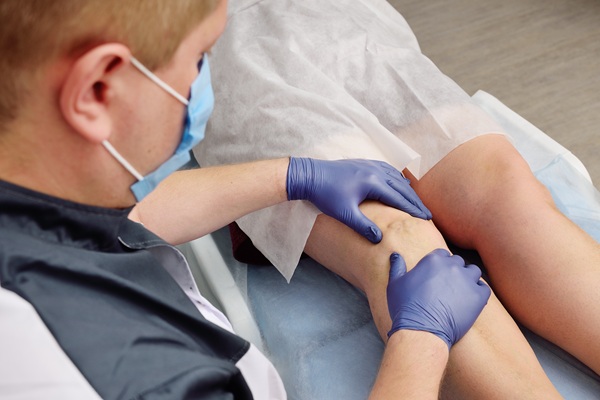
Reasons For Varicose Vein Treatment
Varicose vein treatment can improve more than the appearance of enlarged, twisted veins. Many patients seek care because varicose veins cause discomfort, interfere with daily activities, or signal progressive vein disease. A vascular and interventional radiologist evaluates symptoms and vein function to determine when treatment may improve comfort and long-term vascular health.Varicose veins develop when…
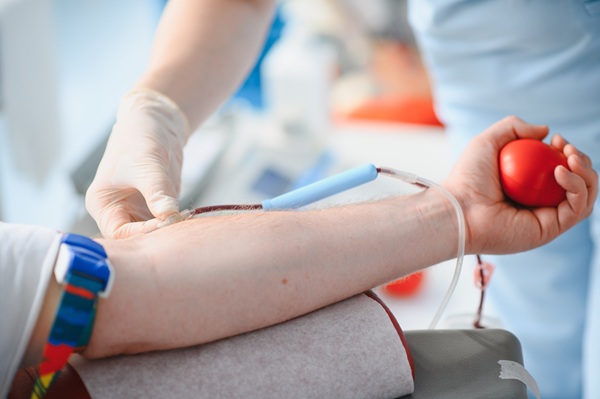
When To Visit A Vein Treatment Center For Visible Or Painful Veins
A professional vein treatment center offers sustainable relief when visible veins or leg pain interfere with your daily life, comfort, or confidence. Many people ignore sy leg fatigue or swollen ankles. However, these problems are warning signs that you should seek expert care. A specialist can evaluate symptoms, identify the root cause, and recommend targeted…
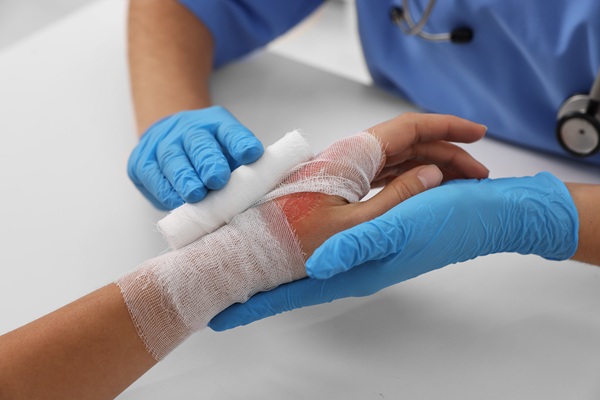
Wound Care From A Vascular And Interventional Radiologist
When you have a stubborn sore that will not heal, wound care helps restore health and prevent serious complications, such as infections. Simple skin injuries should heal quickly. However, chronic ulcers indicate a deeper problem within the body. If your current treatments are not delivering the results you need, consulting a vascular and interventional radiologist…
What Can An Interventional Radiologist Treat?
A vascular and interventional radiologist treats a wide variety of medical conditions by using high-tech imaging to guide tools through tiny incisions in the skin. With this type of care, there is no need to make large surgical cuts. This specialty changes the way people experience medical care by offering solutions that once required hours…
Common Causes Of Leg Swelling
Leg swelling is a common symptom that can range from mild to severe and has many causes. Sometimes, the cause is temporary and of mild to moderate concern, but leg swelling may point to a more serious health condition in other cases. Learning more about leg swelling helps people know when to seek help from…