
Amputation PreventionDowney, CA
Proactive amputation prevention strategies focus on identifying circulatory problems early and restoring vital blood flow before a small wound becomes a life-changing medical emergency. When the tissues in the feet and legs do not receive enough oxygen-rich blood, the body loses its natural ability to repair itself after a minor injury or pressure. This dedicated approach to vascular health is especially important for individuals living with chronic conditions like diabetes or peripheral artery disease.
Fortunately, ProVascularMD provides accessible, timely care to ensure every patient has the best opportunity to protect their mobility and independence. By combining advanced technology with a compassionate understanding of the patient experience, we work to turn a high-risk situation into a manageable path toward healing. If you live in or around the Downey area, contact us at (310) 341-4867 to schedule an appointment.
What Impacts Limb Health?
The health of the limbs depends on a delicate balance between the circulatory system, nerves, and skin. Arteries act as the delivery system for the body, carrying essential nutrients and oxygen to every cell in the lower extremities. When these vessels narrow or become blocked by plaque, the skin becomes fragile, and the muscles begin to struggle. Without a steady supply of fresh blood, the body simply does not have the resources it needs to close a wound or fight off a localized infection.
Venous health is another major factor in determining how well the limbs feel and function day to day. If the veins leak or become damaged, blood begins to pool in the lower limbs rather than return to the heart. This pooling creates high internal pressure that pushes against the skin, leading to chronic swelling and a heavy, aching sensation.
Additionally, lifestyle choices and chronic health conditions also play a significant role in determining the long-term vitality of the limbs. High blood sugar levels from diabetes can damage the nerves in the limbs, particularly the feet, leading to a loss of sensation that makes it difficult to notice an injury. Smoking and high cholesterol further contribute to the buildup of blockages in the arteries, making it harder for the blood to reach the toes. Identifying these risks early allows a person to make changes that protect their health for the future.
“The health of the limbs depends on a delicate balance between the circulatory system, nerves, and skin.”
The Role of a Vascular and Interventional Radiologist in Amputation Prevention
A vascular and interventional radiologist is a specialist who uses advanced imaging technology to treat complex blood flow problems without the need for large incisions and invasive surgeries. These specialists are often considered the mechanics of the circulatory system because they can navigate through the arteries and veins using tiny tools and live X-ray guidance. By making a small pinprick in the skin, they can reach a blockage in the leg and repair it from the inside. This image-guided approach provides high precision and allows the specialist to see exactly what is happening in real time.
“A Vascular and Interventional Radiologist is a specialist who uses advanced imaging technology to treat complex blood flow problems without the need for large, invasive surgeries.”
What to Expect During a Consultation
The first meeting with our team involves investigating the current state of a patient’s circulatory health and daily comfort. We ask detailed questions such as when the pain started, how far a patient can walk before needing a rest, and whether any sores have appeared on the feet or ankles. Next, we will perform a physical examination to check the temperature of the skin, the color of the feet, and the strength of the pulses in the lower legs and arms.
Note that testing is a standard part of the consultation and usually involves simple, painless measurements that track the movement of blood. One common test is the Ankle-Brachial Index, which compares the blood pressure in the arm to the pressure in the ankle to see if there is a significant drop. However, we may also perform an ultrasound to create a real-time picture of the blood moving through the veins and arteries. These tests do not involve any radiation or needles and help us clearly locate the blockages or leaks.
“Note that testing is a standard part of the consultation and usually involves simple, painless measurements that track the movement of blood.”
What is Amputation Prevention?
Amputation prevention is a focused effort to save a limb by fixing the underlying circulation problems that are causing tissue damage. We will consider one of the following treatments:
- Balloon angioplasty and stenting: Open narrowed leg arteries by inflating a small, medicated balloon to widen the vessel, and a stent helps keep the artery open to improve circulation.
- Atherectomy: Removes plaque from inside a narrowed artery using a specialized catheter.
- Embolization:strong> Blocks abnormal or problematic blood vessels using image-guided materials, which can help control bleeding or treat certain vascular problems that interfere with limb-salvage care.
“Amputation prevention is a focused effort to save a limb by fixing the underlying circulation problems that are causing tissue damage.”
Benefits of Amputation Prevention
The most significant benefit of an amputation prevention plan is the ability to preserve a person’s natural limb and their ability to move around freely. Successfully restoring blood flow often leads to a dramatic decrease in the chronic pain that frequently accompanies severe vascular issues. When the skin and muscles receive the nourishment they need, wounds that have been open for months can finally begin to close and stay closed. This transition from constant worry to active healing provides a massive boost to a person’s overall outlook and daily happiness.
Choosing a minimally invasive path also means that the patient can avoid the risks and long recovery times associated with major surgery. Most endovascular procedures allow for a much faster return to daily activities and do not require a long stay in a rehabilitation facility. By addressing the circulation problem early, we can often use gentler techniques that are tailored to the specific needs of the patient.
“The most significant benefit of an amputation prevention plan is the ability to preserve a person’s natural limb and their ability to move around freely.”
Questions Answered on This Page
Q. What causes limb health to fail?
Q. Why is it important to see a vascular and interventional radiologist for amputation prevention?
Q. What happens during an amputation prevention consultation?
Frequently Asked Questions
Q. What conditions most commonly lead to the risk of losing a limb?
A. The most significant factors associated with limb risk include peripheral artery disease and a more advanced stage, known as critical limb ischemia. Diabetes also plays a major role because it can damage the small blood vessels and the nerves in the feet over a long period. Chronic venous insufficiency is another concern because it causes persistent swelling and skin breakdown that can lead to infected ulcers if left untreated.
Q. How does a vascular evaluation help with amputation prevention?
A. An evaluation provides a clear window into how well blood is moving through the lower extremities to support the health of the tissue. By identifying the specific location of a blockage or a damaged vein, we can determine the most effective way to restore the necessary circulation. Accurate testing allows for a more targeted and successful treatment plan that is built around the unique needs of the patient.
Q. What is the difference between an arterial ulcer and a venous ulcer?
A. Arterial ulcers occur when oxygen-rich blood fails to reach the skin and often appear on the toes or heels as deep, painful sores with a "punched out" appearance. Venous ulcers are usually the result of blood pooling in the legs, which creates high pressure that thins the skin near the ankles and eventually causes it to break. Because these two types of wounds have completely different causes, they require distinct clinical strategies to achieve successful, lasting closure.
Q. Are there minimally invasive options available to improve circulation in the legs?
A. Several modern options allow us to open narrowed or blocked arteries through a tiny puncture in the skin. Techniques such as using a small medical balloon to gently widen an artery or placing a tiny mesh tube to keep it open are very common and highly effective. These procedures are performed under live imaging to ensure the highest level of precision while allowing the patient to recover much faster than after traditional surgery.
Q. What symptoms should prompt a person to seek a vascular consultation?
A. Any sore on the foot or leg that does not show significant signs of healing within a week or two requires a professional vascular assessment. Other urgent warning signs include a foot or hand that feels much colder than the other, skin that turns dark blue or black, or pain that persists even when the person is resting. All in all, early intervention is the most powerful tool available for the successful preservation of a healthy limb.
Call Us Today
A successful outcome in the effort to save a limb depends on taking action as soon as a problem is identified. Waiting for a cold foot or a slow-healing sore to heal on its own can make the damage much harder to reverse. Therefore, if you are experiencing any of the above symptoms, do not hesitate to contact ProVascularMD at (310) 341-4867. We offer a specialized environment focused on the complex needs of patients in and around the Downey area who face circulatory challenges and limb-threatening conditions.
Related Posts
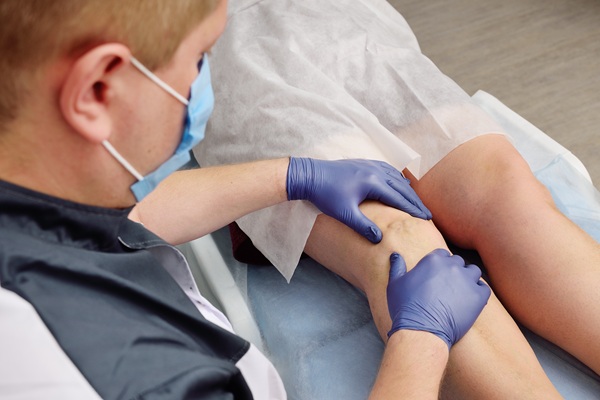
Reasons For Varicose Vein Treatment
Varicose vein treatment can improve more than the appearance of enlarged, twisted veins. Many patients seek care because varicose veins cause discomfort, interfere with daily activities, or signal progressive vein disease. A vascular and interventional radiologist evaluates symptoms and vein function to determine when treatment may improve comfort and long-term vascular health.Varicose veins develop when…
When To Visit A Vein Treatment Center For Visible Or Painful Veins
A professional vein treatment center offers sustainable relief when visible veins or leg pain interfere with your daily life, comfort, or confidence. Many people ignore sy leg fatigue or swollen ankles. However, these problems are warning signs that you should seek expert care. A specialist can evaluate symptoms, identify the root cause, and recommend targeted…
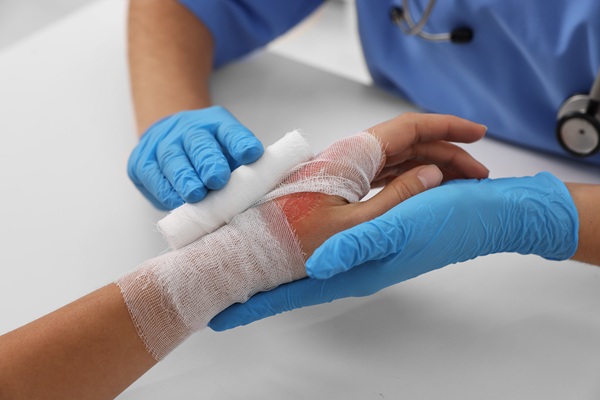
Wound Care From A Vascular And Interventional Radiologist
When you have a stubborn sore that will not heal, wound care helps restore health and prevent serious complications, such as infections. Simple skin injuries should heal quickly. However, chronic ulcers indicate a deeper problem within the body. If your current treatments are not delivering the results you need, consulting a vascular and interventional radiologist…
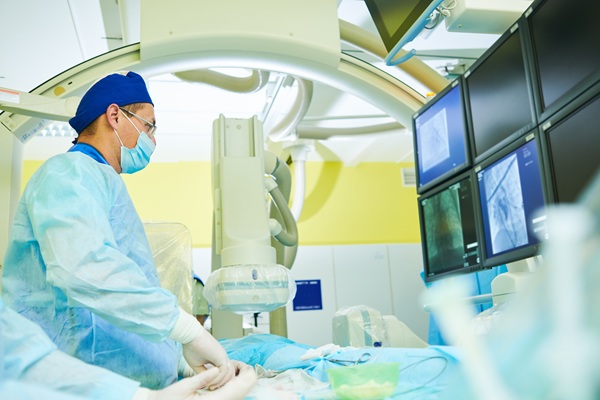
What Can An Interventional Radiologist Treat?
A vascular and interventional radiologist treats a wide variety of medical conditions by using high-tech imaging to guide tools through tiny incisions in the skin. With this type of care, there is no need to make large surgical cuts. This specialty changes the way people experience medical care by offering solutions that once required hours…
Common Causes Of Leg Swelling
Leg swelling is a common symptom that can range from mild to severe and has many causes. Sometimes, the cause is temporary and of mild to moderate concern, but leg swelling may point to a more serious health condition in other cases. Learning more about leg swelling helps people know when to seek help from…