
Wound CareDowney, CA
Wound care can help when a sore, ulcer, or incision does not heal as expected and begins to raise the risk of infection, further tissue damage, or serious complications. Many wounds should show steady improvement within the first couple of weeks. But when healing stalls, it often means something beneath the surface is getting in the way, such as reduced blood flow, chronic swelling from vein disease, or uncontrolled infection. A vascular and interventional radiologist can identify what is delaying healing and develop a plan that supports a safer, more predictable recovery.
At ProVascularMD, our team approaches wound care with urgency and reassurance. We strive to help protect surrounding tissue and reduce the risk of complications as the wound heals. If a wound has not improved, keeps reopening, or shows signs of infection, call our Downey office at (310) 341-4867 today.
What Wound Care Means in Vascular Medicine
Professional wound care starts by examining why the wound is not closing and what needs to change for healing to progress. In vascular medicine, that usually means taking a close look at internal circulation and swelling. When veins do not move blood upward efficiently, fluid and pressure can build in the lower legs. This can leave the skin fragile and slow to heal.
A vascular and interventional radiologist can help when a wound appears to be stuck due to circulatory problems. Once reduced blood flow, blockages, or chronic venous pressure are addressed, wounds that were not improving may begin to show steadier progress. This is why vascular-focused wound care is such an important part of managing peripheral arterial disease, chronic venous insufficiency, vascular ulcers, and ongoing leg swelling.
“A vascular and interventional radiologist can help when a wound appears to be stuck due to circulatory problems.”
Types of Wounds That Can Benefit From Professional Care
Most cuts and scrapes heal without specialty care. However, a wound that does not seem to heal deserves closer attention, especially on the feet and lower legs. With early care, a vascular and interventional radiologist helps prevent a small wound from turning into a long-term problem. This type of wound care can help with:
- Ulcers and wounds linked to poor circulation, diabetes, neuropathy, or venous insufficiency
- Traumatic cuts, scrapes, or punctures that are not healing as expected
- Pressure injuries from prolonged pressure or limited mobility
- Irritated or slow-healing surgical wounds
Professional wound care goes beyond changing the bandage or dressing. Rather, it means giving the wound the care it needs to heal, despite any underlying conditions. The goal is smoother healing and improved comfort, regardless of whether the wound is acute or chronic, or infected or complex.
“However, a wound that does not seem to heal deserves closer attention, especially on the feet and lower legs.”
What To Expect at Your First Visit
The first step is to look at the wound itself. The vascular and interventional radiologist will assess the tissue quality, drainage, and infection risk.
Next, the provider typically recommends circulatory testing to pinpoint why healing has stalled. This may start with a screening for reduced blood flow to the legs, along with ultrasounds to measure how well blood moves through specific arteries. Additional imaging may help to map narrowing, blockages, or problems with vein valves. These results can confirm whether a vascular issue is preventing the wound from getting the oxygen and drainage support it needs to close.
The visit always ends with a plan. Patients will leave knowing what the wound needs, what to do at home, what changes to expect, and when follow-up is required.
“The vascular and interventional radiologist will assess the tissue quality, drainage, and infection risk.”
Wound Care: Core Treatments
based on severity and response to earlier treatment methods. Core approaches include:- Cleaning and debridement. To remove dead or infected tissue.
- Dressings. To control drainage and support a balanced healing environment.
- Infection control. When bacteria prevent healing progress.
- Offloading and pressure relief. To prevent repeated trauma, such as on foot wounds.
- Compression and swelling management. When venous disease is involved.
These steps can provide meaningful relief by reducing irritation and creating a clean, healthy environment for the wound to heal. They can also make for a more comfortable recovery.
“Most wound care plans include proven steps to support healing, with advanced options based on severity and response to earlier treatment methods.”
Supportive and Advanced Wound Care
Supportive wound care focuses on keeping healing on track between appointments. This follow-up care helps confirm that the wound is shrinking, drainage is improving, and the surrounding skin looks healthier. It also helps catch early signs of infection or increased swelling. The vascular and interventional radiologist will adjust care plans based on how the wound is healing.
Sometimes, a patient can benefit from more advanced wound care. In these cases, referrals may be made to other specialists for negative pressure wound therapy, bioengineered skin substitutes or grafting, and hyperbaric oxygen therapy. This coordinated approach helps ensure complex wounds receive the care they need to heal.
“This follow-up care helps confirm that the wound is shrinking, drainage is improving, and the surrounding skin looks healthier.”
Questions Answered on This Page
Q. What is vascular wound care?
Q. What types of wounds may benefit from vascular care?
Q. What happens at an appointment for wound care?
Frequently Asked Questions
Q. When should you see a specialist for wound care?
A. Many minor wounds heal on their own in a few weeks. However, when a wound has not healed normally within a month of standard cleaning and dressing, specialty wound care is often recommended. Some wounds should be evaluated sooner, such as those on the feet or lower legs. Prompt care helps address barriers to healing before the wound worsens or becomes infected.
Q. What is debridement?
A. Debridement is a way to gently clear away dead or unhealthy tissue so the wound has a cleaner surface to heal. Different methods may be an option, depending on the wound, including careful in-office removal, specialized dressings, medications that soften unhealthy tissue, or other controlled techniques. A vascular and interventional radiologist chooses the safest option based on the wound and overall health factors.
Q. How does nutrition support wound care?
A. Wound healing requires enough protein, calories, and key nutrients to rebuild tissue. When nutrition is lacking, the body may struggle to form new skin and fight infection effectively. Thus, better nutrition often supports more consistent healing progress over time.
Q. Why does swelling make wounds harder to heal?
A. Swelling puts extra pressure on the skin and the tissues beneath, making it harder for a wound to close. Swollen tissue also slows the delivery of oxygen and nutrients that support healing. Fortunately, vascular care can reduce swelling to improve comfort and help wounds heal more easily.
Q. How can you tell if a wound is infected?
A. A wound may be infected if the skin around it feels hot to the touch, becomes more painful, and continues to swell. Thick yellow or green drainage (pus) or a bad odor are also warning signs. Additionally, any red streaking on the skin should be checked right away.
Schedule an Appointment
At ProVascularMD, we provide quality care for acute, chronic, infected, and complex wounds. If a wound has not improved after several weeks, or if redness, swelling, drainage, odor, or worsening pain develops, we can help. Contact our Downey office at (310) 341-4867 today for an appointment.
Related Posts
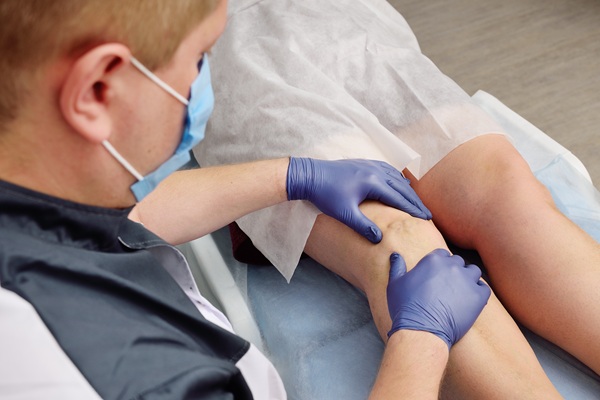
Reasons For Varicose Vein Treatment
Varicose vein treatment can improve more than the appearance of enlarged, twisted veins. Many patients seek care because varicose veins cause discomfort, interfere with daily activities, or signal progressive vein disease. A vascular and interventional radiologist evaluates symptoms and vein function to determine when treatment may improve comfort and long-term vascular health.Varicose veins develop when…
When To Visit A Vein Treatment Center For Visible Or Painful Veins
A professional vein treatment center offers sustainable relief when visible veins or leg pain interfere with your daily life, comfort, or confidence. Many people ignore sy leg fatigue or swollen ankles. However, these problems are warning signs that you should seek expert care. A specialist can evaluate symptoms, identify the root cause, and recommend targeted…
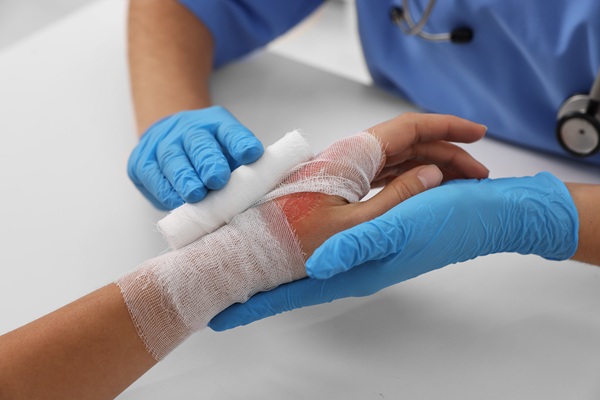
Wound Care From A Vascular And Interventional Radiologist
When you have a stubborn sore that will not heal, wound care helps restore health and prevent serious complications, such as infections. Simple skin injuries should heal quickly. However, chronic ulcers indicate a deeper problem within the body. If your current treatments are not delivering the results you need, consulting a vascular and interventional radiologist…
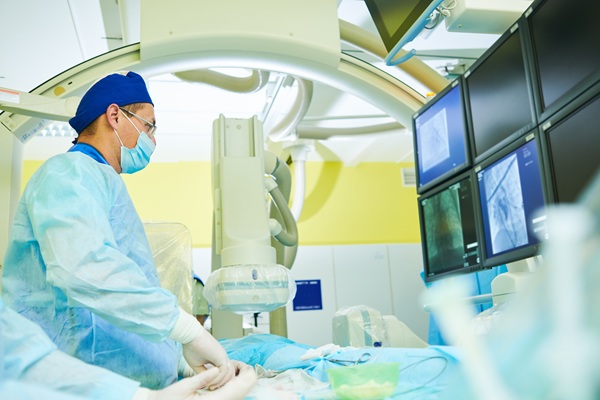
What Can An Interventional Radiologist Treat?
A vascular and interventional radiologist treats a wide variety of medical conditions by using high-tech imaging to guide tools through tiny incisions in the skin. With this type of care, there is no need to make large surgical cuts. This specialty changes the way people experience medical care by offering solutions that once required hours…
Common Causes Of Leg Swelling
Leg swelling is a common symptom that can range from mild to severe and has many causes. Sometimes, the cause is temporary and of mild to moderate concern, but leg swelling may point to a more serious health condition in other cases. Learning more about leg swelling helps people know when to seek help from…