Common Causes of Leg Swelling
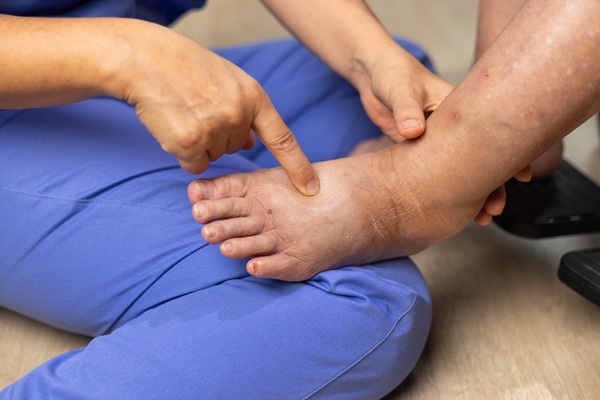
Leg swelling is a common symptom that can range from mild to severe and has many causes. Sometimes, the cause is temporary and of mild to moderate concern, but leg swelling may point to a more serious health condition in other cases. Learning more about leg swelling helps people know when to seek help from a vascular and interventional radiologist.
Fluid buildup in the legs
One of the most common causes of leg swelling is fluid buildup, also called edema. This condition can occur when the body retains excess fluid, particularly in the lower legs and feet. Sitting or standing for long periods can worsen edema. Additionally, people who consume extremely salty foods, take certain medications, or have health conditions like kidney or heart problems may notice more swelling in their legs.
Vein issues
The health of the veins is a major factor in how the legs look and feel. When the tiny valves inside the veins become weak or damaged, they can no longer push blood back up toward the heart effectively. This results in blood pooling in the lower legs, increasing pressure and causing visible changes to the skin. People with vein-related issues often notice a specific set of symptoms that develop over time, including:
- A heavy or tired feeling in the calves and ankles
- Skin that looks shiny, stretched, or discolored
- Small indentations that stay in the skin
- An increase in the size of the ankles at the end of the day
- Leg cramps or a restless feeling at night
- Thick or leathery skin near the base of the leg
Recognizing these signs early can lead to a more effective treatment plan from a vascular and interventional radiologist (VIR).
Injury or infection
Swelling can also happen after an injury or infection. A sprained ankle or a broken bone may cause the body to send more blood and fluid to the injured area. Infections such as cellulitis can cause redness, warmth, and swelling in one leg. That said, these causes usually only affect one leg and may be accompanied by pain or fever.
Lymphatic system issues
The lymphatic system helps the body remove waste and fluid. If this system is blocked or damaged, it can lead to a condition known as lymphedema. This condition often causes long-term leg swelling and may be accompanied by a heavy feeling or tightness in the skin. Lymphedema can happen after cancer treatment, surgery, or due to other health conditions.
Heart, liver, or kidney conditions
The heart, kidneys, and liver are responsible for keeping the fluids in the body in balance. If the heart is not pumping effectively or the kidneys are not filtering waste properly, fluid can start to accumulate in the feet and legs. This type of swelling is usually a symptom of a larger health concern that affects the whole body. People with these health problems may also notice shortness of breath, tiredness, or swelling in other parts of the body.
A better path to relief
Leg swelling can have many causes, from minor issues to serious health problems. Seeing a vascular and interventional radiologist helps individuals get the answers they need and the care they deserve. With the right treatment, it is possible to reduce swelling and feel better. Call our Downey office to learn more or to schedule an appointment.
Request an appointment here: https://provascularmd.com or call ProVascularMD at (310) 341-4867 for an appointment in our Downey office.
Check out what others are saying about our services on Yelp: Leg Swelling in Downey, CA.
Related Posts
Varicose vein treatment can improve more than the appearance of enlarged, twisted veins. Many patients seek care because varicose veins cause discomfort, interfere with daily activities, or signal progressive vein disease. A vascular and interventional radiologist evaluates symptoms and vein function to determine when treatment may improve comfort and long-term vascular health.Varicose veins develop when…
A professional vein treatment center offers sustainable relief when visible veins or leg pain interfere with your daily life, comfort, or confidence. Many people ignore sy leg fatigue or swollen ankles. However, these problems are warning signs that you should seek expert care. A specialist can evaluate symptoms, identify the root cause, and recommend targeted…
When you have a stubborn sore that will not heal, wound care helps restore health and prevent serious complications, such as infections. Simple skin injuries should heal quickly. However, chronic ulcers indicate a deeper problem within the body. If your current treatments are not delivering the results you need, consulting a vascular and interventional radiologist…
A vascular and interventional radiologist treats a wide variety of medical conditions by using high-tech imaging to guide tools through tiny incisions in the skin. With this type of care, there is no need to make large surgical cuts. This specialty changes the way people experience medical care by offering solutions that once required hours…