What Can an Interventional Radiologist Treat?
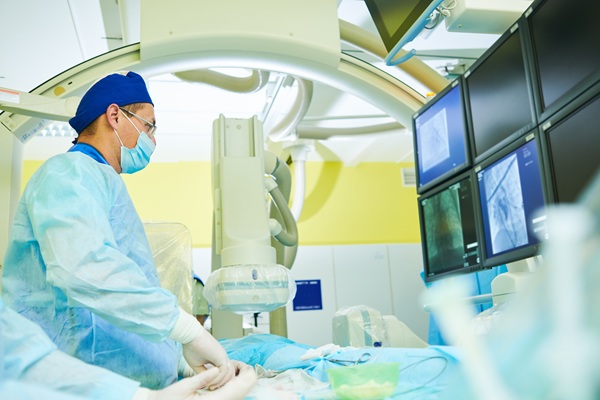
A vascular and interventional radiologist treats a wide variety of medical conditions by using high-tech imaging to guide tools through tiny incisions in the skin. With this type of care, there is no need to make large surgical cuts. This specialty changes the way people experience medical care by offering solutions that once required hours in the operating room.
Common treatments from an interventional radiologist
Here are three ways a vascular and interventional radiologist can provide relief or full treatments:
Restore healthy circulation
Healthy blood flow is the foundation of energy and healing, but sometimes the arteries can clog or narrow over time. When someone struggles with leg pain while walking, it often indicates a blockage that an interventional radiologist can treat with a small tube and a tiny balloon or stent. They also address dangerous blood clots that might travel to the lungs if left alone, which is a life-saving intervention. Further, they restore circulation and prevent long-term damage to the limbs and vital organs. This approach is much easier on the patient than older, more invasive operations that require long hospital stays.
Beyond simple blockages, interventional radiologists also treat abnormal bulges in the blood vessels known as aneurysms. Placing specialized grafts or coils inside the vessel reinforces the vessel walls and reduces the risk of rupture. This type of care also extends to patients with chronic venous insufficiency, which can cause swelling and discomfort in the legs. Every procedure aims to restore the natural movement of blood while keeping the patient as comfortable as possible during the process.
Targeted treatments in cancer care
Image-guided procedures provide a powerful and targeted way to destroy cancerous tumors without the need for major surgery. Instead of removing an entire organ, an interventional radiologist uses heat or cold to burn or freeze a tumor from the inside. This is particularly effective for small tumors in the liver, kidneys, or lungs, where traditional surgery is either too risky or unnecessary for the patient.
Additionally, interventional radiologists help treat cancer by cutting off the food supply that a tumor needs to grow. Blocking the specific blood vessels feeding the growth allows the radiologist to essentially starve the tumor, causing it to shrink and eventually die off. In some cases, they even deliver high doses of medication directly into the tumor's blood supply to maximize the effect.
Essential support for chronic illnesses
Beyond specific diseases, interventional radiologists can support other types of medical care. For example, they can perform precise biopsies to determine whether a lump is dangerous, ensuring the patient receives the right diagnosis as quickly as possible without a major surgical scar. Or, if fluid builds up in the lungs or belly due to illness and causes pain, these radiologists can place small drains to offer immediate relief. They can also install special IV lines that allow patients to receive long-term medicine, nutrition, or chemotherapy without constant needle pokes. While these might seem like small procedures, they can effectively support other areas of patient care.
Schedule a consultation
The work of a vascular and interventional radiologist covers nearly every part of the body, from the brain down to the toes. By choosing the most direct and least invasive path, they help people return to their families and jobs with less pain and a lower risk of complications. Whether the goal is to stop a leak, shrink a tumor, or fix a blockage, contact ProVascularMD to schedule a consultation.
Request an appointment here: https://provascularmd.com or call ProVascularMD at (310) 341-4867 for an appointment in our Downey office.
Check out what others are saying about our services on Yelp: Interventional Radiologist in Downey, CA.
Related Posts
Blood clot treatment helps protect circulation and support safer healing after a clot forms, while also reducing the risk of complications. In non-life-threatening situations, a vascular and interventional radiologist can assess blood flow with imaging and recommend next steps. A treatment plan may include medication, compression therapy, and minimally invasive care, among other strategies.The first…
Varicose vein treatment can improve more than the appearance of enlarged, twisted veins. Many patients seek care because varicose veins cause discomfort, interfere with daily activities, or signal progressive vein disease. A vascular and interventional radiologist evaluates symptoms and vein function to determine when treatment may improve comfort and long-term vascular health.Varicose veins develop when…
A professional vein treatment center offers sustainable relief when visible veins or leg pain interfere with your daily life, comfort, or confidence. Many people ignore sy leg fatigue or swollen ankles. However, these problems are warning signs that you should seek expert care. A specialist can evaluate symptoms, identify the root cause, and recommend targeted…
When you have a stubborn sore that will not heal, wound care helps restore health and prevent serious complications, such as infections. Simple skin injuries should heal quickly. However, chronic ulcers indicate a deeper problem within the body. If your current treatments are not delivering the results you need, consulting a vascular and interventional radiologist…