Effective Strategies for Blood Clot Treatment
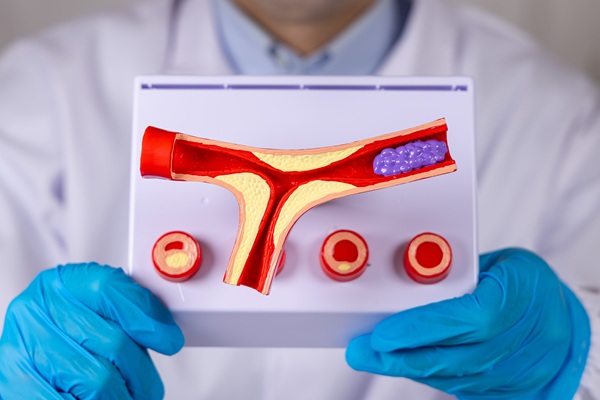
Blood clot treatment helps protect circulation and support safer healing after a clot forms, while also reducing the risk of complications. In non-life-threatening situations, a vascular and interventional radiologist can assess blood flow with imaging and recommend next steps. A treatment plan may include medication, compression therapy, and minimally invasive care, among other strategies.
Understanding the first step in blood clot treatment
The first step in treating a blood clot is determining where the clot is and how it affects circulation. Some clots cause swelling, aching, warmth, or heaviness in the leg. Others may create more urgent symptoms, such as chest discomfort or sudden shortness of breath, which require immediate medical care at a hospital emergency room.
In non-emergency situations or after the patient has been stabilized, a vascular and interventional radiologist (VIR) can use imaging to better understand the clot. Ultrasound is often used to evaluate clots in the legs because it can show how blood moves through the veins. Other imaging may be recommended when the clot sits in the pelvis, abdomen, chest, or another area that requires a more detailed view. This information helps the provider choose a treatment plan more precisely.
Preventing the clot from getting worse with anticoagulants
Many patients begin treatment with medication that helps prevent the clot from growing. These medications (anticoagulants) are often called blood thinners, though they do not thin the blood. Instead, they affect the clotting process, giving the body time to break down the clot.
The VIR may work with the patient’s care team to determine how long to continue taking the medication. Some patients need a short course of treatment after a temporary risk factor, such as surgery or a period of limited movement. On the other hand, it is common for patients to need a longer-term medication plan when they have a higher chance of recurring clots.
Supporting circulation with compression therapy
Compression can help some patients manage long-term symptoms after a blood clot, particularly in cases of deep vein thrombosis (DVT). Medical-grade compression stockings apply gentle pressure that supports blood flow back toward the heart and limits fluid buildup in the tissues. However, keep in mind that compression does not remove an existing blood clot.
What to expect from minimally invasive vascular care
Again, some patients continue to experience leg swelling, heaviness, or discomfort even after the initial blood clot has stabilized. In these cases, the VIR may look for lingering circulation problems, such as narrowing or blockage within a vein. When appropriate, minimally invasive vascular procedures can help improve blood flow and address the underlying vein problem contributing to ongoing symptoms. The recommended approach depends on the patient’s vascular health and the specific cause of the circulation issue.
Situations that may need extra planning
Blood clot treatment may need to be adjusted when a patient has other medical conditions, takes medications that affect the body’s ability to bleed or clot, or has a history of recurring clots. The VIR can consider these factors when developing a treatment plan. They may also coordinate care with the patient’s primary physician or another specialist.
Get more information about blood clot treatment
The right blood clot treatment can support circulation and reduce the future risk of vascular health issues. If you or a loved one has a blood clot, a vascular and interventional radiologist can help by creating a personalized care plan. Call our office for more information today or to schedule an appointment.
Request an appointment here: https://provascularmd.com or call ProVascularMD at (310) 341-4867 for an appointment in our Downey office.
Check out what others are saying about our services on Yelp: Blood Clot Treatment in Downey, CA.
Related Posts
Varicose vein treatment can improve more than the appearance of enlarged, twisted veins. Many patients seek care because varicose veins cause discomfort, interfere with daily activities, or signal progressive vein disease. A vascular and interventional radiologist evaluates symptoms and vein function to determine when treatment may improve comfort and long-term vascular health.Varicose veins develop when…
A professional vein treatment center offers sustainable relief when visible veins or leg pain interfere with your daily life, comfort, or confidence. Many people ignore sy leg fatigue or swollen ankles. However, these problems are warning signs that you should seek expert care. A specialist can evaluate symptoms, identify the root cause, and recommend targeted…
When you have a stubborn sore that will not heal, wound care helps restore health and prevent serious complications, such as infections. Simple skin injuries should heal quickly. However, chronic ulcers indicate a deeper problem within the body. If your current treatments are not delivering the results you need, consulting a vascular and interventional radiologist…
A vascular and interventional radiologist treats a wide variety of medical conditions by using high-tech imaging to guide tools through tiny incisions in the skin. With this type of care, there is no need to make large surgical cuts. This specialty changes the way people experience medical care by offering solutions that once required hours…