Reasons for Varicose Vein Treatment
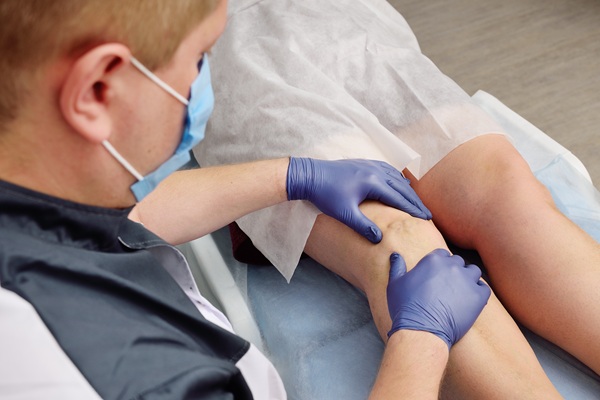
Varicose vein treatment can improve more than the appearance of enlarged, twisted veins. Many patients seek care because varicose veins cause discomfort, interfere with daily activities, or signal progressive vein disease. A vascular and interventional radiologist evaluates symptoms and vein function to determine when treatment may improve comfort and long-term vascular health.
When varicose vein treatment becomes more than cosmetic care
Varicose veins develop when valves inside the veins no longer move blood efficiently toward the heart. Blood can then collect within the vein, increasing pressure and causing the vessel to enlarge beneath the skin. Some patients experience few symptoms beyond visible veins. However, others develop concerns that gradually affect their comfort and quality of life.
Common symptoms include aching, heaviness, throbbing, swelling, itching, and fatigue in the legs. These concerns often become more noticeable after prolonged periods of standing or sitting. A vascular and interventional radiologist can examine the affected veins and determine whether an underlying circulation problem contributes to the symptoms.
Treatment may help prevent complications
Leaving symptomatic varicose veins untreated may increase the likelihood of additional vein problems over time. Continued pressure within the veins can contribute to inflammation, skin discoloration, and changes in nearby tissues. Advanced vein disease may also increase the risk of chronic venous insufficiency, slow-healing ulcers, or blood clots. Early care may reduce these risks and help protect the surrounding skin and tissue.
Seeking varicose vein treatment before complications develop may allow for a simpler care plan and a more comfortable recovery. A vascular and interventional radiologist can use diagnostic imaging to study blood flow and locate damaged veins. This evaluation helps the specialist recommend an option that matches the location, size, and severity of the condition.
Modern treatment options require minimal downtime
Some patients delay treatment because they expect extensive surgery or a lengthy recovery period. However, modern varicose vein treatment often uses minimally invasive techniques in an outpatient setting. Many procedures require only small, needle-sized entry points rather than large incisions. Patients can often return to many regular activities soon after the procedure.
Depending on the condition of the affected veins, treatment options may include:
- Endovenous laser therapy or radiofrequency ablation
- Ultrasound-guided foam sclerotherapy
- Ambulatory phlebectomy for larger surface veins
- Compression therapy as part of a broader care plan
A vascular and interventional radiologist recommends an approach based on the patient’s symptoms and diagnostic results. Some procedures close damaged veins so blood can move through healthier vessels. Other treatments remove or reduce visible surface veins that continue to cause discomfort.
Healthy habits support long-term results
Treatment addresses damaged veins, while healthy lifestyle habits help support circulation and long-term vein health. Regular physical activity encourages blood flow through the legs, and maintaining a healthy weight may reduce pressure on the veins. Elevating the legs while resting can also ease swelling and discomfort. Patients may benefit from taking regular movement breaks when work or travel requires prolonged sitting or standing.
Compression stockings may play an important role before or after treatment, depending on the patient’s needs. These garments apply controlled pressure to the legs and help blood move toward the heart. Follow-up appointments allow the vascular and interventional radiologist to monitor healing, review results, and evaluate new symptoms.
Early care can improve comfort and circulation
Varicose veins rarely improve without appropriate care, and symptoms may become more noticeable as vein disease progresses. Early evaluation gives a vascular and interventional radiologist an opportunity to address damaged veins before they cause greater discomfort or tissue changes. Varicose vein treatment can relieve symptoms, support healthier circulation, and improve confidence in the appearance of the legs. Call our office for more information or to schedule a varicose vein evaluation. The care team can explain available treatment options and help patients prepare for an appointment.
Request an appointment here: https://provascularmd.com or call ProVascularMD at (310) 341-4867 for an appointment in our Downey office.
Check out what others are saying about our services on Yelp: Varicose Vein Treatment in Downey, CA.
Related Posts
Blood clot treatment helps protect circulation and support safer healing after a clot forms, while also reducing the risk of complications. In non-life-threatening situations, a vascular and interventional radiologist can assess blood flow with imaging and recommend next steps. A treatment plan may include medication, compression therapy, and minimally invasive care, among other strategies.The first…
A professional vein treatment center offers sustainable relief when visible veins or leg pain interfere with your daily life, comfort, or confidence. Many people ignore sy leg fatigue or swollen ankles. However, these problems are warning signs that you should seek expert care. A specialist can evaluate symptoms, identify the root cause, and recommend targeted…
When you have a stubborn sore that will not heal, wound care helps restore health and prevent serious complications, such as infections. Simple skin injuries should heal quickly. However, chronic ulcers indicate a deeper problem within the body. If your current treatments are not delivering the results you need, consulting a vascular and interventional radiologist…
A vascular and interventional radiologist treats a wide variety of medical conditions by using high-tech imaging to guide tools through tiny incisions in the skin. With this type of care, there is no need to make large surgical cuts. This specialty changes the way people experience medical care by offering solutions that once required hours…